
The phone armband slips, the pace screen is unreadable mid-sprint, and the free app cannot tell you whether yesterday’s hard session left you ready for today’s tempo run. GPS running watches exist to fix all of that: accurate pace on your wrist, heart-rate data, and training insights that turn miles into progress. In 2026, Garmin dominates the category, and the choice is really about how deep you want to go into training data. This guide covers the best GPS running watches for beginners, marathoners, and trail runners.
Quick verdict
For most runners, the Garmin Forerunner 265 is the best GPS running watch: accurate multi-band GPS, a bright display, and training metrics that justify the price. If you want a running watch that also works as a daily smartwatch, the Garmin Venu 3 is the best balance. Apple Watch owners who run should compare the Apple Watch Series 10 for ecosystem convenience.
Who this guide is for
This guide is for new runners, marathon trainees, and trail runners who want accurate pace, heart rate, and training feedback without carrying a phone.
Who should skip these picks
Skip dedicated running watches if you run occasionally for fitness and prefer a smartwatch that also tracks runs; the Venu or Apple Watch covers that. Skip the premium models if you never follow training plans, where a simpler watch tracks the basics for less.
Best GPS running watches
1. Garmin Forerunner 265 — best for serious runners
Garmin Forerunner 265
Best GPS running watchWhy it works
- Bright AMOLED display in two sizes
- Multi-band GPS for accurate tracking
- Training readiness and race predictions
- Up to 13 days of battery in smartwatch mode
Tradeoffs
- Superb GPS accuracy
- Deep running metrics
- Long battery
- No touchscreen-only navigation
- Premium price
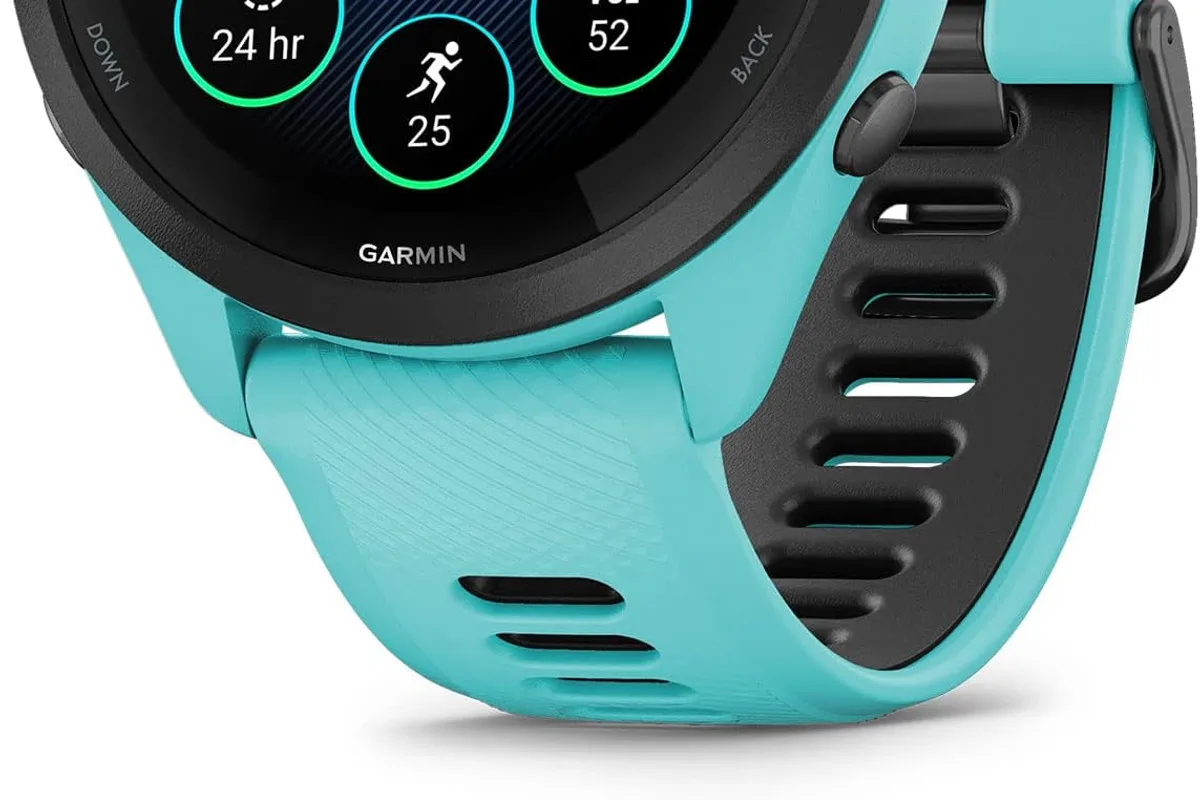
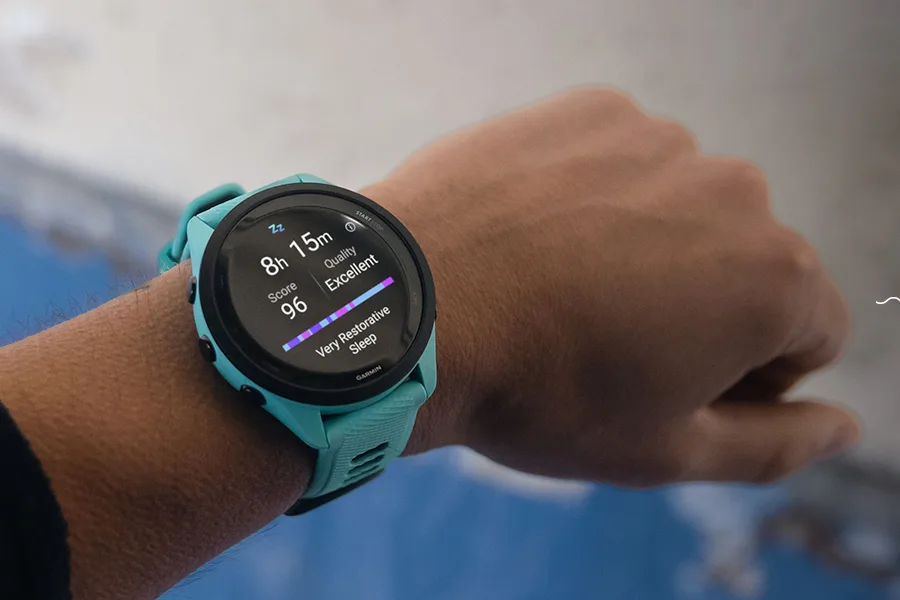
The Forerunner 265 is the watch that serious runners graduate to. The multi-band GPS is accurate in the tough conditions where cheaper watches drift, the AMOLED display is bright and responsive, and the training metrics, including training readiness, HRV status, and race predictions, turn every run into useful feedback. It includes Garmin’s daily suggested workouts and supports structured training plans, and the battery lasts up to 13 days in smartwatch mode or 20 hours with GPS. It lacks a speaker for music and some smartwatch extras, but for running it is the best tool in this guide.
2. Garmin Venu 3 — best running watch plus everyday smartwatch
Garmin Venu 3
Best all-round Garmin smartwatchWhy it works
- AMOLED display with always-on mode
- Sleep coach and nap detection
- Built-in speaker and microphone for calls
- Up to 14 days of battery life
Tradeoffs
- Great battery
- Accurate health metrics
- Comfortable design
- No LTE option
- App store is limited
The Venu 3 is the pick for runners who want one watch for training and daily life. It tracks runs, cycling, swimming, and gym workouts with Garmin’s solid GPS and health metrics, then switches to smartwatch duty with notifications, calls, and a two-week battery. The sleep and nap tracking is excellent, and the AMOLED display looks great. It lacks the Forerunner’s race-specific training depth, but for balanced users it is the best all-rounder.
3. Apple Watch Series 10 — best for iPhone runners
Apple Watch Series 10
Best smartwatch for iPhone ownersWhy it works
- Larger always-on display with thinner design
- Sleep apnea notifications and advanced fitness metrics
- Fast charging for quick daily top-ups
- watchOS with deep iPhone integration
Tradeoffs
- Excellent display
- Mature health features
- Strong app support
- iPhone required
- Battery still daily
The Apple Watch Series 10 is the choice for iPhone users who want a running watch that is also the best smartwatch available. The Workout app tracks pace, heart rate, and routes accurately, the display is excellent in sunlight, and the integration with Apple Fitness Plus and third-party apps is superb. Battery life is the tradeoff: about a day and a half, which means longer runs and sleep tracking require charging discipline. For iPhone runners who value the ecosystem, it is a legitimate contender.
Comparison table
| Watch | Best for | GPS | Battery (GPS) | Training plans | Smartwatch |
|---|---|---|---|---|---|
| Forerunner 265 | Serious running | Multi-band | ~20 hrs | Yes | Basic |
| Venu 3 | Run + daily | Standard | ~24 hrs | Basic | Full |
| Apple Watch S10 | iPhone ecosystem | Standard | ~7 hrs | App-based | Full |
How to choose a GPS running watch
Start with your training goals. Marathoners and structured trainees benefit from the Forerunner’s training plans, readiness scores, and race predictions. Casual runners who also want notifications and payments should choose the Venu or Apple Watch. Trail runners should check multi-band GPS and battery life for long days out.
Then look at battery life against your longest run, and check the display for outdoor readability. Finally, consider the ecosystem: Garmin’s Connect app is the deepest for running data, while Apple Watch integrates with iPhone health and fitness services.
Setting up your running watch for training
The first run with a new watch should be a practice run, not a race. Charge it fully, pair it with the companion app, and let it acquire a GPS signal outdoors before you start. When the watch confirms a lock, run your normal route and check the pace and distance against a known reference, such as a measured track or the route you know by car; this verifies the settings and builds trust in the data.
Set up your run screen before your first interval session. Most watches let you choose which fields display during a run, and the useful ones are current pace, average pace, heart rate, distance, and elapsed time. Arrange them in the order you glance at them, and remove the fields you never read. If your watch supports heart-rate zones, set them from your maximum heart rate in the app rather than accepting generic defaults, then check which zone you are in during easy and hard runs.
Sync and review after every run, but do not obsess over single workouts. Open the companion app, look at the run summary, and use the watch’s recovery or readiness suggestions to decide whether tomorrow should be hard or easy. Over weeks, the trends in HRV, resting heart rate, and pace at the same effort will tell you more than any individual number.
Finally, keep the watch maintained: clean the sensor and charging contacts after sweaty runs, update the firmware through the app when prompted, and charge before long runs even if the battery meter looks healthy, because cold weather and GPS use drain it faster than everyday estimates.
What not to overpay for
Do not pay for multi-band GPS if you run only in open parks, where standard GPS is fine. Do not pay for music storage if you always run with your phone. Skip solar charging unless you run ultramarathons, and avoid paying for a watch with training metrics you will never open.
Final verdict
Choose the Forerunner 265 for serious running, the Venu 3 for running plus daily smartwatch use, and the Apple Watch Series 10 for iPhone users who want the ecosystem. Match the watch to your longest race and your charging habits, and let the training data guide your plan rather than dictating it.