
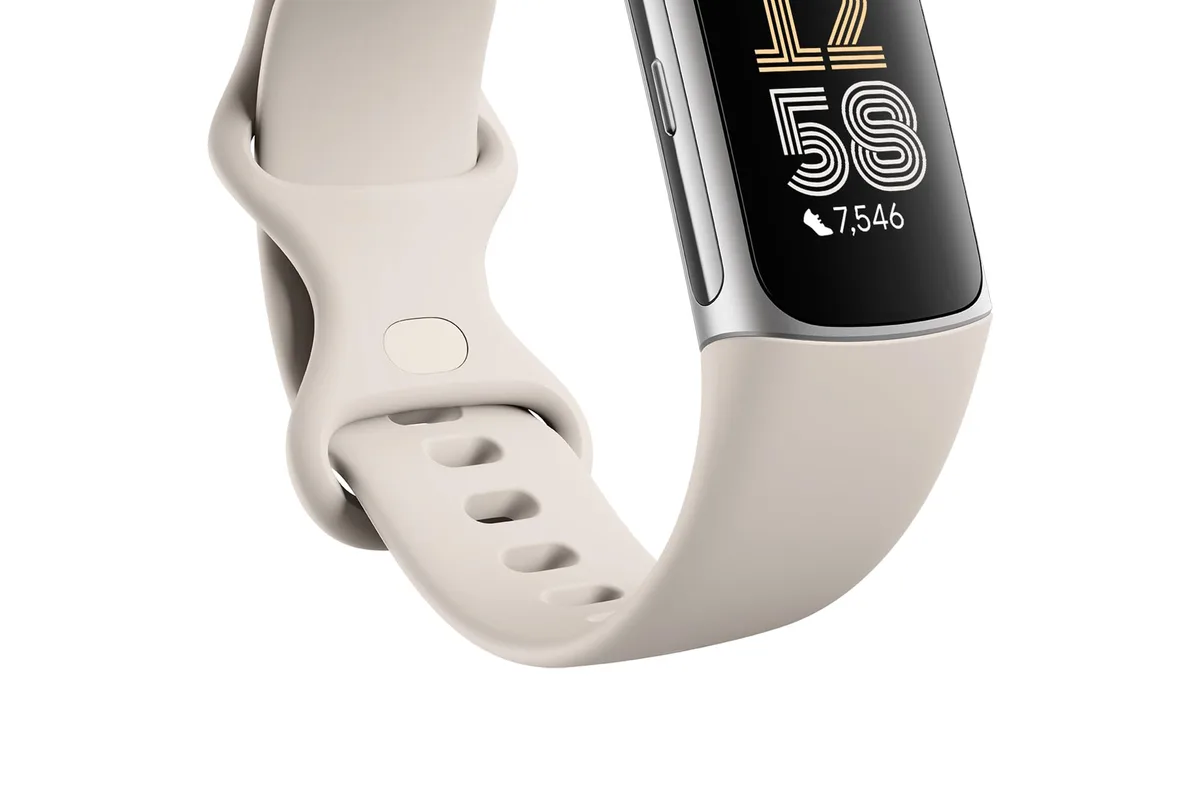
You want to know how many steps you actually take, whether your sleep is as bad as it feels, and what your heart rate does during workouts, but a smartwatch feels like overkill and the phone app in your pocket does nothing. Fitness trackers fill the gap: small, comfortable, long-battery devices that focus on the metrics that matter. In 2026, the best trackers balance accuracy, battery life, and app quality, and the choice comes down to how deep you want the data. This guide covers the best fitness trackers for different goals.
Quick verdict
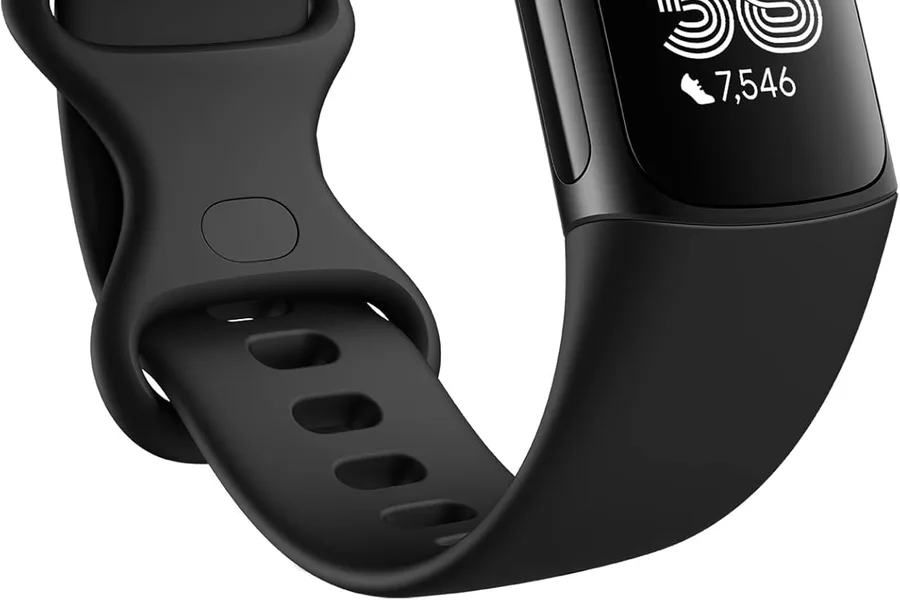
For most people, the Fitbit Charge 6 is the best fitness tracker: accurate heart-rate tracking, built-in GPS, and a mature app at a fair price. If you want deeper recovery and training insights with a display, the Garmin Venu 3 is the upgrade. Athletes focused purely on recovery should consider the Whoop 5.0.
Who this guide is for
This guide is for walkers, runners, gym-goers, and anyone who wants to understand their activity, sleep, and heart health without wearing a full smartwatch.
Who should skip these picks
Skip fitness trackers if you want apps, payments, and phone notifications on your wrist; a smartwatch is the right tool. Skip subscription-based trackers like Whoop if you refuse monthly fees, and skip basic trackers if you need advanced training metrics like VO2 max and training load.
Best fitness trackers in 2026
1. Fitbit Charge 6 — best overall
Fitbit Charge 6
Best fitness tracker for most peopleWhy it works
- Built-in GPS with workout intensity maps
- ECG app and heart-rate variability tracking
- Seven-day battery life
- Google integration for maps and payments
Tradeoffs
- Long battery
- Comfortable band
- Accurate heart-rate tracking
- Small screen
- Some insights need Premium
The Charge 6 is the tracker most people should buy because it does the fundamentals superbly: accurate heart rate, solid step and sleep tracking, built-in GPS for outdoor workouts, and a seven-day battery. The slim design wears comfortably all day and night, and the Fitbit app turns the data into readable trends. It works with both iPhone and Android, and Google Maps and Wallet integration add practical value. Some deeper insights sit behind Premium, but the core experience is complete without it.
2. Garmin Venu 3 — best for deeper training data
Garmin Venu 3
Best all-round Garmin smartwatchWhy it works
- AMOLED display with always-on mode
- Sleep coach and nap detection
- Built-in speaker and microphone for calls
- Up to 14 days of battery life
Tradeoffs
- Great battery
- Accurate health metrics
- Comfortable design
- No LTE option
- App store is limited
The Venu 3 is the pick when you want a tracker-style battery with smartwatch convenience and Garmin’s training depth. It tracks sleep, naps, stress, and recovery, includes GPS and workout coaching, and lasts up to two weeks in watch mode. The AMOLED display is bright and readable, and the built-in speaker and microphone handle calls. It is more of a smartwatch than the Charge 6, but for runners and fitness enthusiasts who want data without daily charging, it is the best balance.
3. Whoop 5.0 — best for recovery-focused athletes
Whoop 5.0
Best recovery-focused trackerWhy it works
- Screenless band with 24/7 strain and recovery tracking
- HRV, sleep, and respiratory rate monitoring
- Wearable anywhere with accessory bands
- Subscription includes coaching and trends
Tradeoffs
- Deep recovery insights
- Comfortable to wear
- Excellent app
- Subscription required
- No display
The Whoop 5.0 is a different kind of tracker: no screen, no distractions, just continuous strain, recovery, and sleep data interpreted by one of the best health apps in the industry. Athletes use it to plan training around recovery scores, and the comfortable band can be worn anywhere, including with accessories. It requires a subscription, which covers the hardware and coaching, and the lack of a display means you interact through your phone. For serious athletes, the depth is worth it; for casual users, it is overkill.
Comparison table
| Tracker | Best for | Battery | GPS | Display | Subscription |
|---|---|---|---|---|---|
| Fitbit Charge 6 | Overall value | ~7 days | Yes | Small | Optional Premium |
| Garmin Venu 3 | Training depth | ~14 days | Yes | AMOLED | No |
| Whoop 5.0 | Recovery focus | ~5 days | Phone GPS | None | Required |
How to choose a fitness tracker
Decide what you will actually track. Walkers and general health need steps, heart rate, and sleep; runners need GPS and pace; athletes need recovery and training load. Then choose the form factor: a slim band like the Charge 6 is comfortable 24/7, while a watch-style tracker like the Venu 3 adds a display and convenience.
Check the app experience, because the tracker is only as good as the data you can understand. Look at battery life against your charging habits, and be clear about subscriptions before buying.
Getting accurate data from your tracker
Sensor placement changes the data more than the brand. Wear the tracker on your non-dominant wrist, a finger’s width above the wrist bone, and keep the band snug enough that it does not slide but loose enough to breathe. If the tracker shifts during workouts or the heart-rate reading jumps around, tighten it one notch and try again; optical sensors need steady contact with the skin.
Wear it consistently before judging anything. Sleep staging, resting heart rate, and recovery trends only become meaningful after a week or two of all-day and all-night wear. The tracker learns your baseline from this data, so skipping nights or taking it off for workouts leaves gaps that make the insights less useful. Charge during a fixed daily window, such as while you shower, so the battery never forces you to choose between wearing it and sleeping with it.
Use the app’s trends instead of single numbers. A step count of 8,000 one day is noise; a weekly average that rises or falls is information. The same applies to sleep scores and resting heart rate, which naturally vary day to day. If a metric looks alarming, such as a consistently high resting heart rate, treat it as a reason to talk to a doctor, not as a diagnosis from a wrist sensor.
Finally, decide consciously about subscriptions. The core tracking on most devices works without one, so use the free tier for a month and see whether the paid insights actually change your behavior. If you only look at steps and sleep duration, the subscription is almost certainly unnecessary.
What not to overpay for
Do not pay for advanced metrics you will not use, like VO2 max for casual walking. Do not pay for subscription tiers if the free app covers your needs. Skip GPS if you always run with your phone, and avoid trackers with poor sleep tracking if sleep is your main concern, since sensor placement and algorithm quality vary.
Final verdict
Choose the Fitbit Charge 6 for the best all-round tracker, the Garmin Venu 3 for deeper training and battery life, and the Whoop 5.0 for recovery-focused athletes who accept the subscription. Match the tracker to your main goal, wear it consistently for two weeks, and let the trends guide small changes rather than chasing daily numbers.