
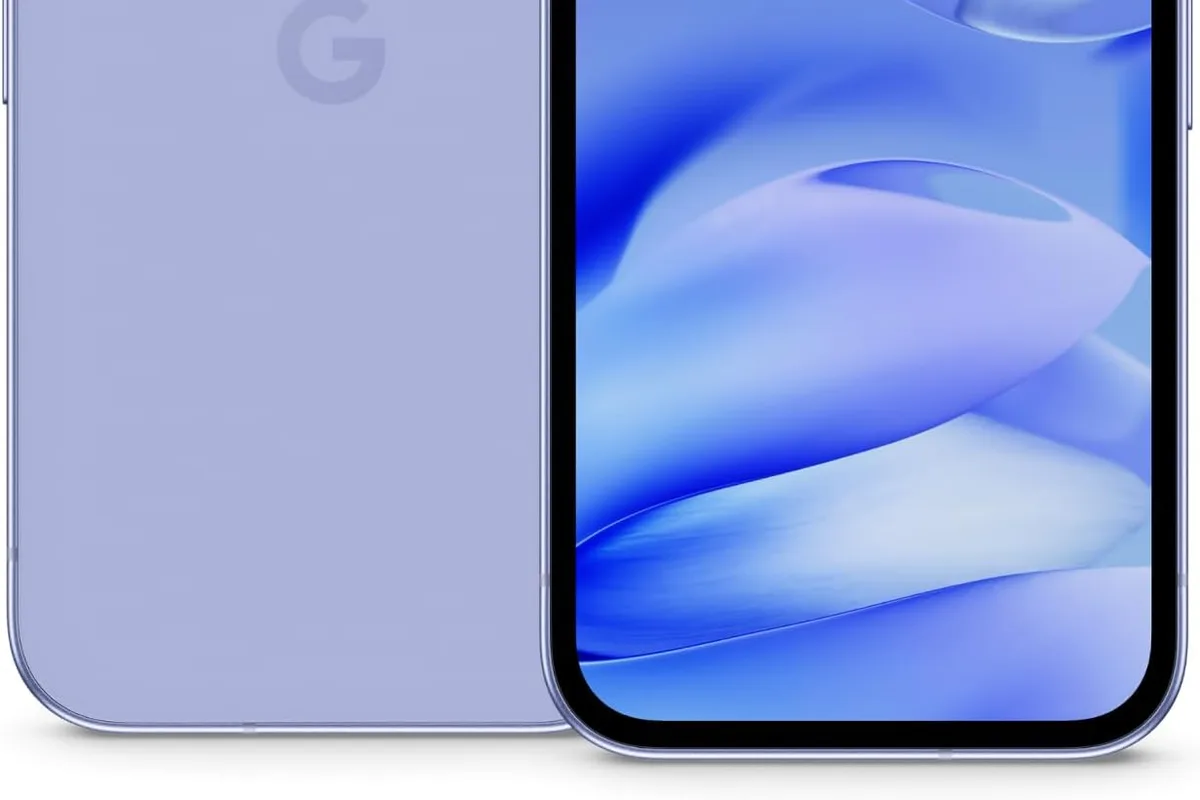
Your current phone is on its last battery charge, the screen has a crack that is spreading, and the flagship models cost more than your rent. The good news is that budget smartphones in 2026 are genuinely good: the $400 phone in your pocket would have been a flagship five years ago. The challenge is choosing between brands with very different update policies, cameras, and battery behavior. This guide covers the best budget smartphones in 2026 with honest advice on where the money actually goes.
Quick verdict
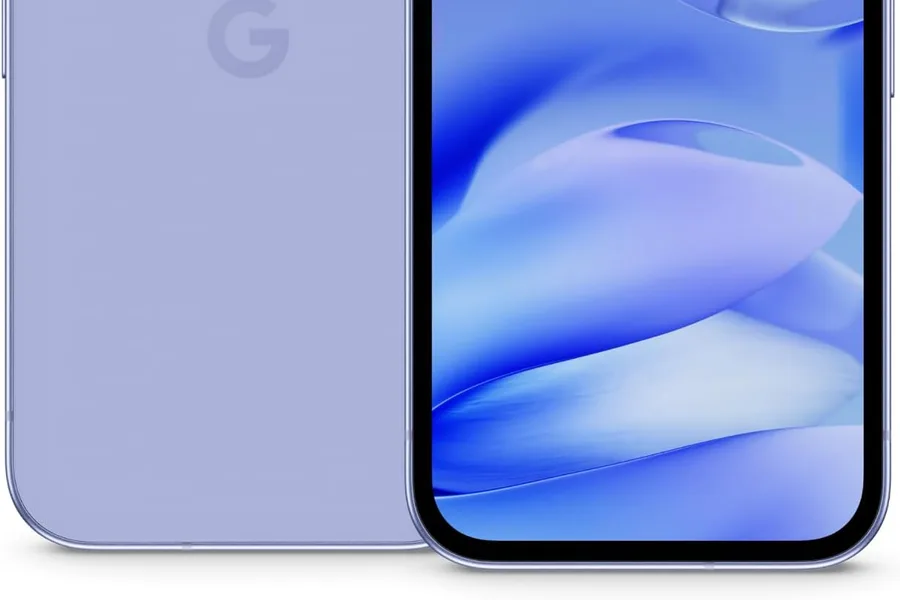
For most budget buyers, the Google Pixel 9a is the best all-around phone: the best camera in the class, clean software, and seven years of updates. If you prefer a bigger screen and brighter display, the Samsung Galaxy A56 is the best alternative. The Apple iPhone 16e is the right choice for iPhone users who want the ecosystem without flagship prices.
Who this guide is for
This guide is for students, families, and anyone buying a phone outright under $500 who wants a reliable camera, good battery, and a phone that stays fast for years.
Who should skip these picks
Skip budget phones if you need pro-level zoom photography or flagship gaming, where a previous-generation flagship is the better buy. Skip the iPhone 16e if you are not invested in the Apple ecosystem, since Android budget phones offer more versatility for the price.
Best budget smartphones in 2026
1. Google Pixel 9a — best overall
Google Pixel 9a
Best budget phone for camera qualityWhy it works
- Tensor G4 processor with seven years of OS updates
- 13MP ultrawide and 48MP main camera with Night Sight
- 6.3-inch Actua display at 120Hz
- IP68 water resistance and a long-lasting battery
Tradeoffs
- Excellent camera for the price
- Long software support
- Compact design
- No telephoto camera
- Charging speed is modest
The Pixel 9a is the budget phone that feels like a flagship in the ways that matter. The camera is the class leader, with clean daylight shots, reliable Night Sight, and Google’s photo processing doing the heavy lifting. The 120Hz display, Tensor G4 performance, and IP68 water resistance round out a package that is easy to recommend. Seven years of updates mean this phone can genuinely last through college. It lacks a telephoto lens and charges slowly, but at its price those are fair tradeoffs.
2. Samsung Galaxy A56 — best for big screens and bright displays
Samsung Galaxy A56
Best budget phone for camera versatilityWhy it works
- 50MP main camera with optical image stabilization
- 6.7-inch Super AMOLED 120Hz display
- 5000 mAh battery with fast wired charging
- Six years of OS and security updates
Tradeoffs
- Bright AMOLED screen
- Versatile cameras
- Long update commitment
- Plastic frame
- Average low-light video
The Galaxy A56 is the pick for buyers who want a big, bright display and a versatile camera. The 6.7-inch Super AMOLED panel is excellent for media, the 50MP main camera handles social content well, and the 5000 mAh battery with fast charging keeps up with heavy days. Samsung’s six years of updates make it a long-term buy, and One UI adds useful features. The plastic frame and average low-light video are the compromises, but as a media-first budget phone it is outstanding.
3. Apple iPhone 16e — best for iPhone users
Apple iPhone 16e
Best entry-level iPhoneWhy it works
- A18 chip with Apple Intelligence support
- 48MP main camera with 2x optical-quality zoom
- Face ID and USB-C connectivity
- Strong all-day battery life
Tradeoffs
- Excellent performance
- Great battery
- Long software support
- Single camera
- No MagSafe on the base version
The iPhone 16e is the entry point to the Apple ecosystem, and for iPhone owners it is an easy recommendation: the A18 chip delivers flagship-level performance, battery life is excellent, and Apple’s support window is the longest in the industry. The single camera is capable but not versatile, and it lacks MagSafe on the base version, so Android buyers should weigh the Pixel 9a against it carefully. If you already use iMessage, Apple Pay, and AirPods, this is the budget phone to buy.
Comparison table
| Phone | Best for | Display | Camera | Updates | Battery |
|---|---|---|---|---|---|
| Pixel 9a | Overall value | 6.3“ 120Hz | Excellent | 7 years | Great |
| Galaxy A56 | Media + bright screen | 6.7“ AMOLED | Versatile | 6 years | Great + fast charge |
| iPhone 16e | Apple ecosystem | 6.1“ OLED | Good single cam | Long | Excellent |
How to choose a budget smartphone
Set your priorities in order: update support, camera, battery, then everything else. Update support determines how long the phone stays secure and how much it is worth reselling. Camera quality in the $300-500 range varies more than any other spec, so look at real photo samples rather than megapixel counts. Battery life matters, but fast charging can compensate for smaller batteries.
Then decide on size and ecosystem. If you watch a lot of video, the larger AMOLED screen wins. If you already use Apple services, the iPhone integration is worth more than spec sheets. Finally, consider storage: 128GB is the baseline, and 256GB is worth the upgrade if you take lots of photos or games.
Setting up a budget phone for longevity
The first hour with a new phone decides how it performs in year three. Start the setup connected to Wi-Fi, sign in with your Google or Apple account, and let the transfer tool move your photos, contacts, and messages from the old phone. Then check that automatic updates are enabled in the settings, because the update policy you bought is only useful if the phone actually installs the updates.
Set the phone up for the way you really use it. Enable automatic photo backup so a lost phone does not erase years of memories, turn on the battery optimization basics: adaptive battery, low power mode, and background app limits, and review notification permissions app by app. A phone that does not buzz for twenty apps feels faster and lasts longer because it is not waking constantly.
Protect the hardware on day one. A case and screen protector cost a fraction of a repair, and budget phones are usually the ones that get dropped by kids, commuters, and everyone in a hurry. Keep the original charger and cable, because third-party chargers without proper certification are a common cause of slow charging and battery heat.
Finally, learn the phone’s maintenance features early. Check the storage screen every few months, offload apps you no longer use, and look at the battery health report after the first year. A budget phone that is updated, protected, and decluttered will often still feel fast when the flagship hype has moved on to next year’s model.
What not to overpay for
Do not pay extra for 200MP cameras or 144Hz displays on budget phones; the sensor size and processing matter more than pixel counts. Do not buy phones with fewer than three years of update support if you plan to keep the phone. Skip 4GB RAM configurations, which will feel slow within a year, and avoid paying full price near release, since budget phones drop quickly.
Final verdict
Choose the Pixel 9a for the best camera and updates, the Galaxy A56 for the biggest screen and fastest charging, and the iPhone 16e for Apple users. Buy with at least 128GB storage, check the update policy on the specific model, and consider last year’s flagship if a telephoto or gaming performance matters more than a new battery.