
It is 4 p.m., the phone is at 18 percent, and the rest of the day still includes directions, a video call, and a payment at dinner. Battery anxiety is the most common smartphone complaint, and it is also the hardest to solve with specs alone, because efficiency, screen technology, and software all matter as much as the battery size. In 2026, a few phones genuinely stand out for all-day endurance, and the best ones combine big batteries with efficient chips and fast charging as a safety net. This guide covers the best smartphones for battery life with realistic advice.

Quick verdict
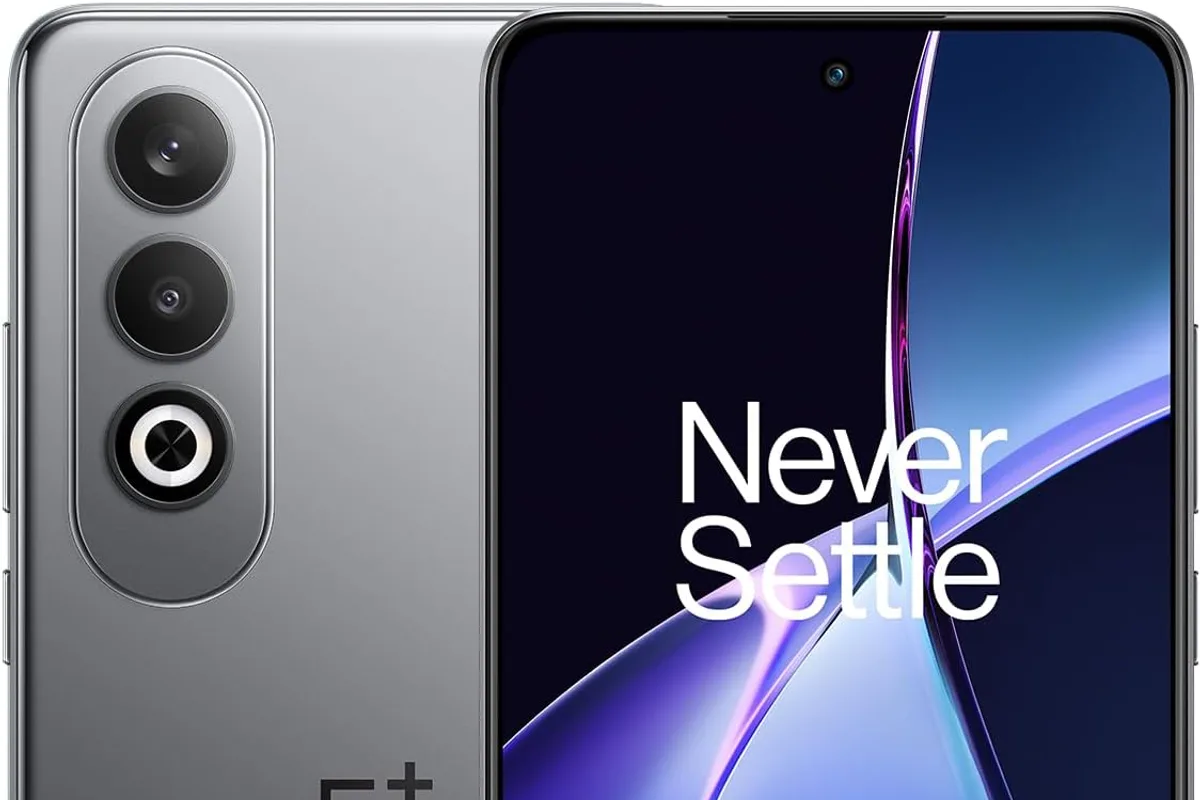
For the best raw battery life, the OnePlus Nord 4 is the standout: a 5500 mAh battery with 100W charging that covers even heavy days and tops up in minutes. The Samsung Galaxy A56 is the best all-rounder with a big battery and fast charging, and the Apple iPhone 16e offers the best efficiency in the class, delivering all-day use from a smaller battery.
Who this guide is for
This guide is for commuters, travelers, students, and anyone who is tired of carrying a power bank, and who wants a phone that survives a full day without hunting for outlets.
Who should skip these picks
Skip these phones if you need flagship cameras or gaming performance; the battery champions here trade some photography and raw speed for endurance. Skip battery size as the main criterion if you are always near a charger, where a faster-charging phone with a smaller battery is more practical.
Best smartphones for battery life
1. OnePlus Nord 4 — best endurance and charging combo
OnePlus Nord 4
Best phone for battery lifeWhy it works
- 5500 mAh battery with 100W fast charging
- Snapdragon 7 Plus Gen 3 processor
- 50MP main camera with OIS
- Metal unibody design
Tradeoffs
- Exceptional battery life
- Very fast charging
- Strong performance
- No wireless charging
- Software updates are shorter than rivals
The Nord 4 is the phone for people who never want to think about battery again. The 5500 mAh battery is among the largest in its class, and the 100W fast charging is the real magic: a short charge during breakfast adds enough power for the day. The efficient Snapdragon processor keeps drain low, so even heavy days rarely hit the warning. It lacks wireless charging and the update policy is shorter than rivals, but for battery life it is the clear winner.
2. Samsung Galaxy A56 — best big-battery all-rounder
Samsung Galaxy A56
Best budget phone for camera versatilityWhy it works
- 50MP main camera with optical image stabilization
- 6.7-inch Super AMOLED 120Hz display
- 5000 mAh battery with fast wired charging
- Six years of OS and security updates
Tradeoffs
- Bright AMOLED screen
- Versatile cameras
- Long update commitment
- Plastic frame
- Average low-light video
The Galaxy A56 combines a 5000 mAh battery with a bright AMOLED display and fast wired charging, making it the safest all-day pick for most people. The display’s adaptive refresh keeps power use in check, and One UI’s battery management is mature. It also brings six years of updates and a capable camera, so it is the better choice if you want battery life without giving up the rest of the phone. Low-light photography and the plastic frame are the main compromises.
3. Apple iPhone 16e — best efficiency
Apple iPhone 16e
Best entry-level iPhoneWhy it works
- A18 chip with Apple Intelligence support
- 48MP main camera with 2x optical-quality zoom
- Face ID and USB-C connectivity
- Strong all-day battery life
Tradeoffs
- Excellent performance
- Great battery
- Long software support
- Single camera
- No MagSafe on the base version
The iPhone 16e proves that efficiency beats capacity: its battery is smaller than the Android champions, yet the A18 chip and iOS power management deliver some of the best real-world battery life in any phone. Video playback, messaging, and web use sip power, and the phone sips even more slowly when idle. It charges more slowly than the Android competition and the single camera limits versatility, but for all-day reliability with minimal effort, it is excellent.
Comparison table
| Phone | Battery | Charging | Wireless charging | Best for |
|---|---|---|---|---|
| OnePlus Nord 4 | 5500 mAh | 100W | No | Max endurance + fast top-ups |
| Galaxy A56 | 5000 mAh | Fast wired | No | All-day balance |
| iPhone 16e | Moderate | Moderate | No | Efficiency + longevity |
How to choose a battery-first phone
Read battery reviews that measure screen-on time in real-world tests rather than trusting capacity numbers. Two phones with the same battery can differ by hours based on chip efficiency, display technology, and software. Then consider charging speed: if your mornings are chaotic, a phone that adds 50 percent in 15 minutes is worth more than an extra 500 mAh.
Check your worst day, not your average. Travel days with navigation, video, and photos are the ones that separate battery champions from good phones. Finally, consider longevity features like adaptive charging and battery health reporting, because a battery that degrades gracefully matters over three years.
Making any phone last all day
Settings beat accessories when it comes to battery life. Start with screen brightness: set it to automatic and, if your phone supports it, reduce the maximum brightness a notch or two. Brightness is the largest variable drain on almost every phone, and an auto-brightness curve tuned slightly darker can add an hour of screen time without hurting readability.
Then control the background. Enable adaptive battery or the equivalent on Android, and in iOS review which apps have background refresh enabled. Maps, social apps, and push-heavy messengers are the usual culprits; keep background access for the apps that need it and turn it off for the rest. Location services deserve the same audit, since a dozen apps polling GPS all day add up.
Use battery saver modes when they matter, not when they are needed. Most phones offer a mid-tier battery mode that limits background activity and refresh rates while keeping notifications working, and enabling it for travel days or heavy-use afternoons extends endurance noticeably. On iPhone, Low Power Mode, and on Android, a battery optimization mode, are the first tools to try.
Finally, change charging habits to protect the battery over years. Avoid leaving the phone at 100 percent overnight unless the phone’s optimized charging pauses at 80 percent, and avoid letting it drop below 20 percent regularly. Keep the phone cool while charging, skip fast charging during gaming sessions, and check the battery health screen every few months; a battery that stays above 90 percent health after two years is the quiet win that keeps a phone feeling new.
What not to overpay for
Do not pay a premium for enormous battery capacity if the phone charges slowly or has inefficient software; real-world endurance is what matters. Do not buy solely on mAh numbers from marketing materials. Skip 240W-class charging claims unless you need them, since very fast charging generates heat that can affect long-term battery health, and many users never need more than 65W.
Final verdict
Choose the OnePlus Nord 4 for the best combination of battery and charging speed, the Galaxy A56 for the most balanced all-day phone, and the iPhone 16e for the most efficient overall experience. Check real-world battery tests, compare charging times, and if your days are chaotic, buy the phone that tops up fastest rather than the one with the biggest battery number.