
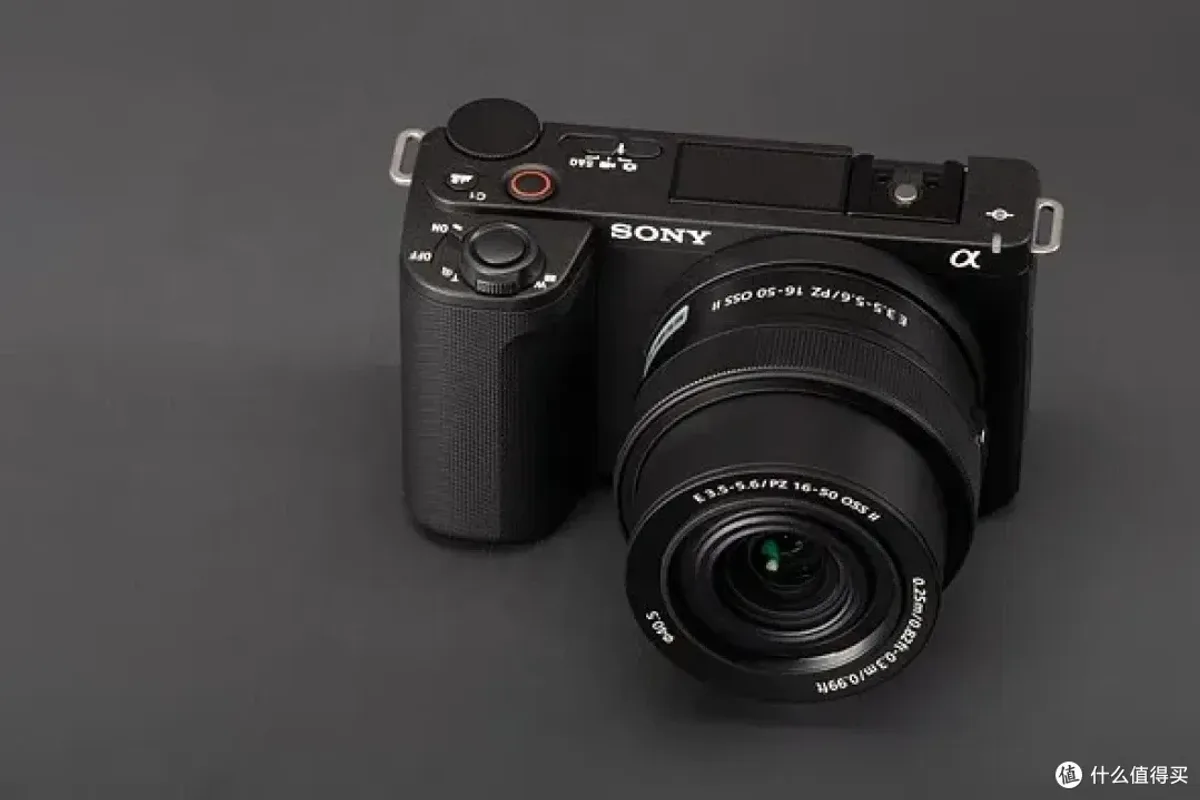
The phone takes great photos until the light drops, the subject is more than ten feet away, or you want a real portrait with background blur. A mirrorless camera is the upgrade that unlocks all of that, and in 2026 the sub-$1,000 market is the most competitive it has ever been, with three excellent APS-C systems from Sony, Canon, and Nikon. The hard part is choosing a system, because the camera is just the beginning of a lens collection. This guide covers the best mirrorless cameras under $1,000 with honest advice on what each system does best.
Quick verdict
For video-first creators, the Sony ZV-E10 II is the best mirrorless camera under $1,000: superb autofocus, 4K60 video, and a compact body built for content. For stills and beginners, the Canon EOS R50 is the easiest to learn, and the Nikon Z50 II is the best pick for photography-first shooters who want Nikon’s image quality and controls.
Who this guide is for
This guide is for content creators, travel photographers, and hobbyists upgrading from a phone or a smartphone-heavy workflow who want a real camera without spending over $1,000.
Who should skip these picks
Skip APS-C cameras if you need full-frame low-light performance or plan to shoot professional events, where the larger system is worth the budget. Skip interchangeable-lens cameras if you never want to change lenses; a premium compact or the latest phone may serve you better.
Best mirrorless cameras under $1,000
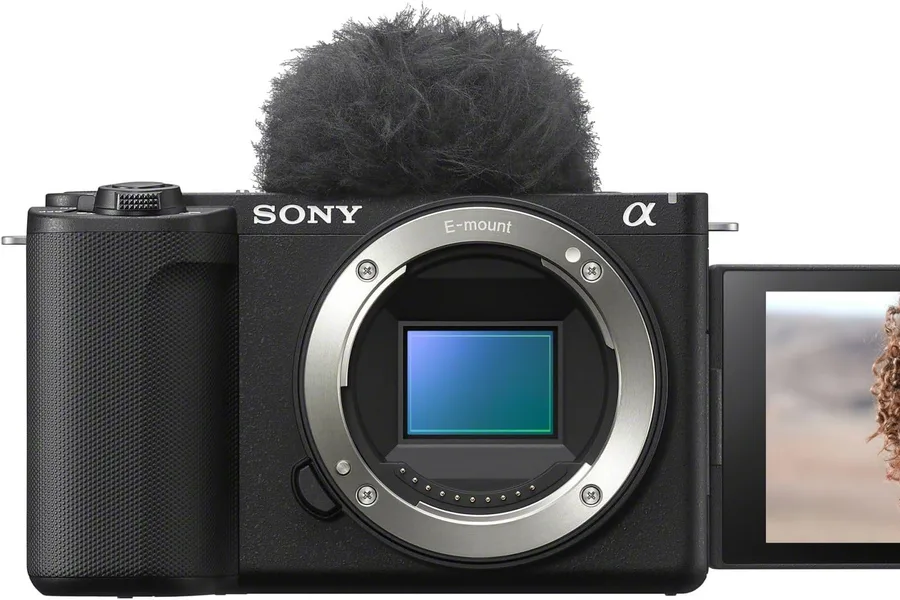
1. Sony ZV-E10 II — best for creators
Sony ZV-E10 II
Best mirrorless camera for creatorsWhy it works
- 26MP APS-C sensor with 4K60 video
- AI-based autofocus with real-time tracking
- Built-in microphone and 3.5mm jack
- Compact interchangeable-lens body
Tradeoffs
- Excellent autofocus
- Great video quality
- Lightweight
- No viewfinder
- Lens kits vary
The ZV-E10 II is the camera built for the way creators actually work: vlogs, YouTube videos, product shots, and hybrid photo-video. The 26MP APS-C sensor delivers excellent images, the AI autofocus tracks faces and subjects reliably, and the 4K60 video with a flip-out screen makes self-filming easy. The built-in microphone is decent, and the compact body fits in small bags. There is no viewfinder, which matters for stills purists, but for content creation it is the best tool under $1,000.
2. Canon EOS R50 — best for beginners
Canon EOS R50
Best budget mirrorless cameraWhy it works
- 24MP APS-C sensor with Dual Pixel AF
- 4K30 uncropped video
- Compact body with vari-angle touchscreen
- RF-S lens system with growing lineup
Tradeoffs
- Easy to use
- Great autofocus
- Small and light
- Single card slot
- Lens ecosystem is newer
The EOS R50 is the camera that makes learning photography fun. The guided interface explains modes and settings in plain language, the autofocus is fast and reliable, and the 24MP sensor produces lovely colors straight out of camera. It shoots 4K30 video, has a vari-angle touchscreen, and the compact body is easy to carry. The RF-S lens system is still growing, but the kit lens covers most beginners’ needs. It is the safest first mirrorless camera.
3. Nikon Z50 II — best for photography-first shooters
Nikon Z50 II
Best mirrorless camera for stills-first shootersWhy it works
- 21MP APS-C sensor with EXPEED 7 processor
- Subject detection for people and animals
- 4K60 video with improved AF
- Weather-sealed compact body
Tradeoffs
- Excellent stills quality
- Fast autofocus
- Comfortable grip
- Screen is articulating but small
- DX lens lineup limited
The Z50 II is the pick for photographers who care about stills above all. The 21MP sensor delivers excellent dynamic range and color, the EXPEED 7 processor brings fast subject detection for people and animals, and the ergonomic grip is the most comfortable in this group. The 4K60 video and improved autofocus make it capable for hybrid work too, and the weather-sealed body adds durability. The DX lens lineup is smaller than Sony and Canon, but the core experience is superb.
Comparison table
| Camera | Best for | Sensor | Video | Viewfinder | Lens system |
|---|---|---|---|---|---|
| Sony ZV-E10 II | Content creation | 26MP | 4K60 | No | Large E-mount |
| Canon EOS R50 | Beginners | 24MP | 4K30 | EVF | Growing RF-S |
| Nikon Z50 II | Stills-first | 21MP | 4K60 | EVF | Smaller DX |
How to choose a mirrorless camera under $1,000
Choose the system before the camera, because lenses cost more than bodies over time. Sony’s E-mount has the largest selection of affordable lenses, Canon’s RF-S is growing with beginner-friendly options, and Nikon’s DX line is smaller but high quality. Then match the camera to your work: creators should prioritize video and autofocus, beginners should prioritize ease of use, and photographers should prioritize ergonomics and image quality.
Budget for at least one extra lens, a memory card, and a spare battery. Consider buying a body with a kit lens, shooting for a month, and then deciding what the kit lens does not cover.
Building your first mirrorless kit
Start with the kit lens and learn its limits before buying more glass. Shoot a few weeks of everyday photos and note the situations where the kit lens struggles: low light, portraits with background blur, or subjects that are far away. Those notes point to your first real lens purchase, typically a fast prime like a 35mm or 50mm f/1.8, which is often the highest-impact lens a beginner can buy for portraits and indoor shooting.
Buy the boring accessories that prevent disasters: at least two memory cards (one spare in the bag), a spare battery, and a comfortable strap. Memory cards fail without warning, and a camera with a dead battery at sunset is worse than no camera at all. Check the card speed rating against your camera’s video requirements, since a card that is too slow stops recording at the worst moment.
Set the camera up for your habits on day one. Put the date and time in the menu (it embeds in photo metadata), format the cards in the camera rather than on a computer, and choose RAW plus JPEG if you plan to edit later or JPEG only if you want finished images straight out of camera. Turn on auto power-off and image review to save battery, and set the function buttons to the controls you use most, such as ISO or focus mode.
Finally, keep the sensor and lens clean. Change lenses indoors when possible, keep a lens cap on when not shooting, and use a rocket blower rather than touching the sensor if dust appears. A camera that is maintained will still be taking great photos when the trendiest smartphone has long been retired.
What not to overpay for
Do not pay for a camera with features you will not use, like 4K120 or in-body stabilization, when a kit lens and extra battery improve your photography more. Do not buy the most expensive body and leave no budget for lenses. Skip bundles stuffed with filters and tripods you do not need, and avoid buying a new camera without checking used prices for last-generation models.
Final verdict
Choose the Sony ZV-E10 II for content creation, the Canon EOS R50 for the easiest start, and the Nikon Z50 II for photography-first work. Pick the system for its lens lineup, budget for glass, and buy the camera that makes you want to carry it. The best mirrorless camera is the one that goes with you.