
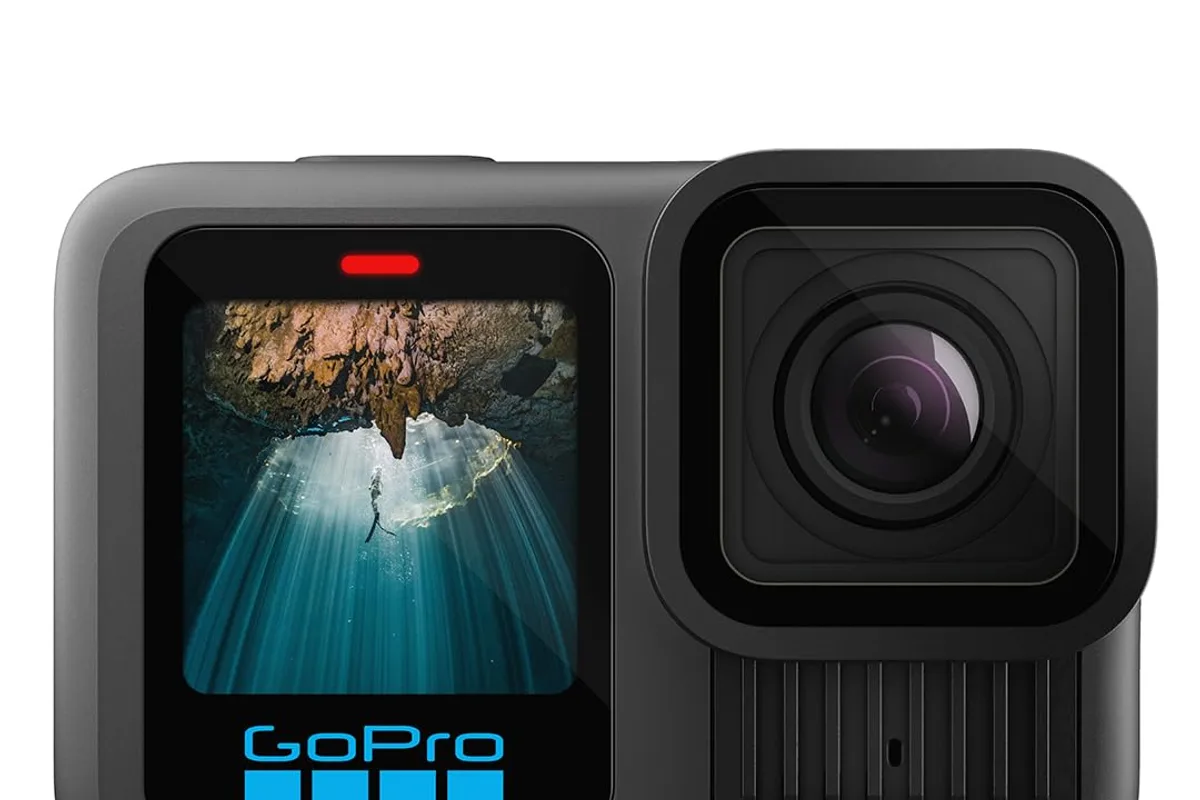
The mountain bike descent, the surf session, the snowboarding run, all happening while the phone stays in the locker because nobody wants to drop it off a cliff. Action cameras are built for exactly these moments: small, tough, waterproof, and stabilized enough to make the footage look like you knew what you were doing. In 2026, the choice between GoPro, DJI, and Insta360 comes down to image priorities, battery life, and whether you want the flexibility of 360-degree capture. This guide covers the best action cameras with honest advice.
Quick verdict
For most adventurers, the GoPro Hero 13 Black is the best action camera overall: proven stabilization, excellent image quality, and the largest accessory ecosystem. If battery life and low-light performance matter more, the DJI Osmo Action 5 Pro is the better pick. Creators who want to reframe shots later should choose the Insta360 X4.
Who this guide is for
This guide is for cyclists, skiers, surfers, divers, vloggers, and anyone who wants rugged, stabilized video from the middle of the action.
Who should skip these picks
Skip action cameras if your videos are mostly desk setups and talking-head content; a mirrorless camera or good webcam is the right tool. Skip 360 models if you want simple, finished footage straight out of the camera, since 360 requires more editing.
Best action cameras in 2026
1. GoPro Hero 13 Black — best overall
GoPro Hero 13 Black
Best action camera overallWhy it works
- 5.3K video at 60fps with HyperSmooth 6.0
- Waterproof to 33 feet without a housing
- Swappable lenses for wide and anamorphic shots
- Large rear touchscreen and front display
Tradeoffs
- Excellent stabilization
- Tough build
- Great app workflow
- Battery life is short
- Accessories cost extra
The Hero 13 Black is the action camera that does everything well. HyperSmooth 6.0 stabilization is the benchmark, producing gimbal-smooth footage from the roughest rides, and the 5.3K sensor captures detail with room to crop. The swappable lens system adds creative flexibility, the dual screens make framing easy, and the accessory ecosystem, from mounts to batteries, is the largest in the category. It is not the cheapest and battery life is average, but for a proven all-rounder it is the safe recommendation.
2. DJI Osmo Action 5 Pro — best battery and low light
DJI Osmo Action 5 Pro
Best action camera for battery and low lightWhy it works
- 1/1.3-inch sensor with excellent low-light video
- 4K/120fps with RockSteady 3.0 stabilization
- 4-hour battery life
- Waterproof to 20 meters
Tradeoffs
- Best-in-class battery
- Great image quality
- Strong stabilization
- Ecosystem smaller than GoPro
- No 5K option
The Osmo Action 5 Pro wins where action cameras traditionally struggle: low light and battery life. The larger 1/1.3-inch sensor produces cleaner footage in dim conditions, and the battery leads the category at around two hours of recording. RockSteady 3.0 stabilization is excellent, the dual OLED screens are bright, and the magnetic mount system makes swapping between rigs effortless. It records 4K rather than 5.3K, but for most creators the image quality and endurance make it the better tool.
3. Insta360 X4 — best 360-degree option
Insta360 X4
Best 360 action cameraWhy it works
- 8K 360-degree video capture
- Invisible selfie stick mode
- FlowState stabilization
- Waterproof to 10 meters
Tradeoffs
- Unique 360 shots
- Great app editing
- Reframe later
- Software workflow takes time
- Battery drains fast
The X4 is the camera for creators who want every angle. It records 8K 360-degree video, so you can mount it anywhere, shoot everything, and choose the best view in the app after the fact. The invisible selfie stick mode creates drone-like third-person shots, and FlowState stabilization keeps 360 footage smooth. The workflow takes time and the battery drains faster than standard action cams, but for creative flexibility nothing else comes close.
Comparison table
| Camera | Best for | Max video | Stabilization | Battery | 360 |
|---|---|---|---|---|---|
| GoPro Hero 13 | Overall action | 5.3K60 | HyperSmooth 6.0 | ~90 min | No |
| DJI Action 5 Pro | Low light + battery | 4K120 | RockSteady 3.0 | ~2 hrs | No |
| Insta360 X4 | Reframe flexibility | 8K 360 | FlowState | ~70 min | Yes |
How to choose an action camera
Start with your sport and lighting. Mountain bikers and skiers shooting daylight get everything from GoPro; divers, night skaters, and evening shooters benefit from DJI’s low-light sensor. Then decide standard versus 360: standard cameras give finished footage with less editing, while 360 gives creative freedom at the cost of workflow time.
Check battery life against your longest day, and look at mounting options for your specific gear. Finally, consider the app workflow, because editing is where action camera projects live or die, and GoPro’s Quik, DJI’s Mimo, and Insta360’s Studio have very different learning curves.
Getting the best footage from an action camera
Start with the right recording settings for your use. 4K at 60fps is the sweet spot for most action video: sharp enough for cropping, smooth enough for fast motion, and easier on battery and storage than maximum resolution. Enable the highest stabilization mode for handheld shots, and use horizon lock where available so the video stays level even when the camera tilts. For low-light sessions, lower the frame rate to 30fps so the sensor captures more light.
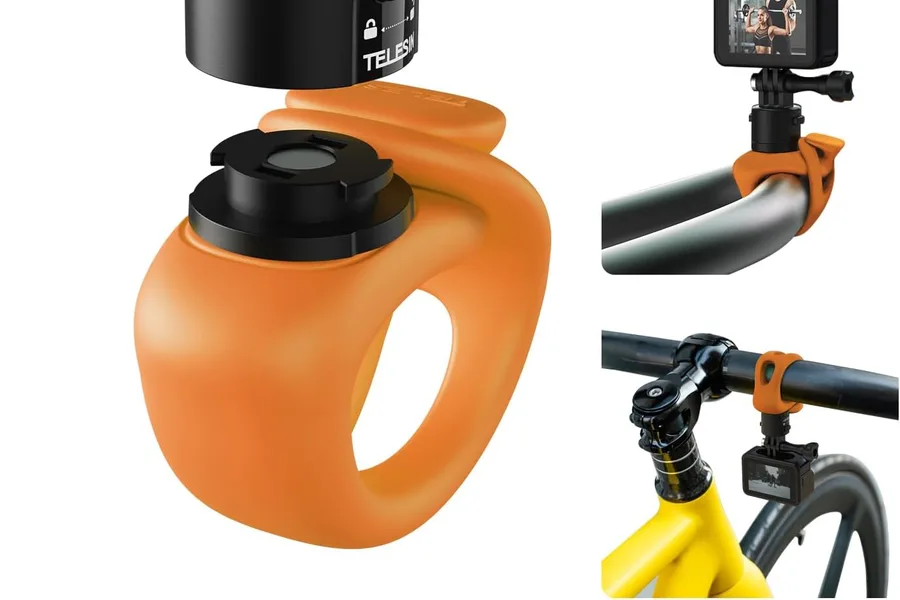
Mounting determines the shot. Put the camera where the action is: helmet mounts capture first-person perspective, chest mounts keep the frame stable during riding, and handlebar or wrist mounts show the gear and environment. Test any new mount at home before the real outing, because a loose mount ruins footage and can lose the camera. Angle the camera slightly upward rather than down at the ground, and clean the lens cover before every session; one smudge across a lens protector is visible in every frame.
Batteries and storage need a plan. Charge all batteries the night before, keep spares in a pocket that stays warm in cold weather, and use a fast memory card with a confirmed write speed rating for your resolution. Cold weather drains batteries quickly, so keep the camera inside your jacket until you need it.
Finally, edit with a system. Import footage, mark your best clips, and cut to the moment rather than publishing full-length recordings. Both GoPro’s Quik and DJI’s Mimo offer one-tap edits and reframing tools, and using the same workflow each time turns a pile of clips into a finished video in minutes.
What not to overpay for
Do not pay for 8K or 5.3K if you deliver in 4K and never crop deeply. Do not pay for a second screen if you mostly shoot mounted footage. Skip the accessory bundles you will not use, and avoid buying extra batteries until you know how long your sessions actually run.
Final verdict
Choose the GoPro Hero 13 Black for the best all-round action camera, the DJI Osmo Action 5 Pro for low light and battery, and the Insta360 X4 for 360-degree creative flexibility. Match the camera to your sport and lighting, buy one or two spare batteries, and spend time learning the editing app, because that is where the best footage comes from.