
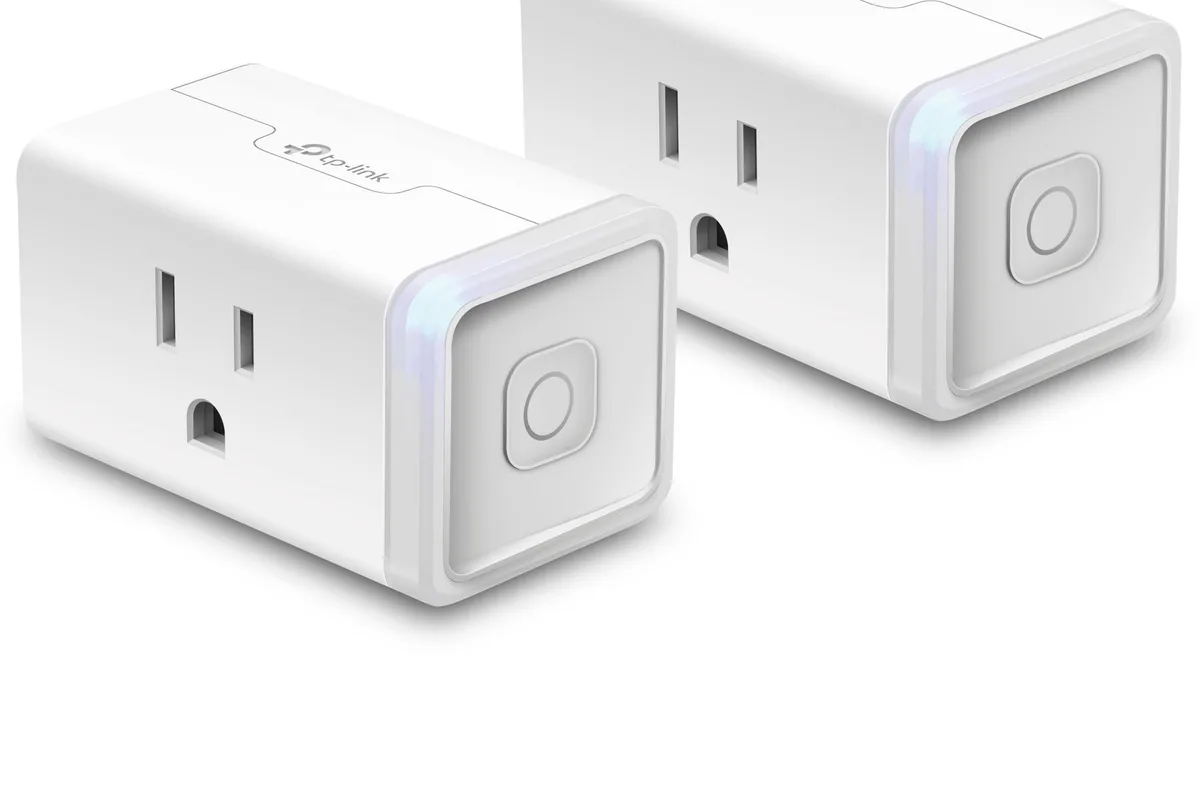
It is 9 p.m., the porch light has been on since sunset, the coffee maker is warming an empty carafe, and somewhere in the living room a fan is spinning in a room nobody has visited for an hour. Smart plugs solve exactly this kind of everyday waste, and they are the cheapest way to start automating a home without changing wiring or buying a hub. This guide covers the best smart plugs in 2026 for real routines: waking up to a lamp, turning off a fan from bed, and knowing what actually draws power.
Quick verdict
For most homes, the TP-Link Kasa Smart Plug Mini is the best overall choice: it is affordable, reliable, and its app handles schedules, timers, and energy monitoring without a subscription. If you live in an Alexa household and want the least setup possible, the Amazon Smart Plug is the easier pick. On a tight budget, the TP-Link Tapo P100 covers the basics for even less.
Who this guide is for
This guide is for renters and homeowners who want to control lamps, fans, holiday lights, and small appliances from a phone or voice assistant. It is also for anyone curious about energy use who wants a cheap way to see which devices run longest. No wiring, no hub, and no monthly fee are required for the picks here.
Who should skip these picks
Skip smart plugs if you want to control a whole room’s lighting from the wall; a smart switch is the better project. Also skip them for high-wattage appliances such as space heaters, window air conditioners, and hair dryers, which need outlets rated for continuous high draw.
Best smart plugs in 2026
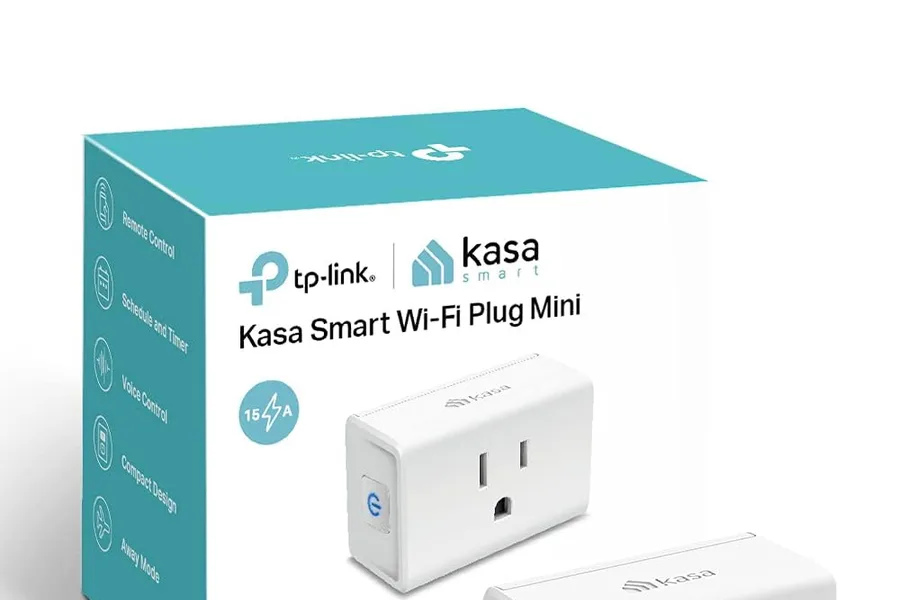
1. TP-Link Kasa Smart Plug Mini — best overall for most homes
TP-Link Kasa Smart Plug Mini (EP25)
Best budget smart plug for everyday routinesWhy it works
- Compact Wi-Fi plug that works without a separate hub
- Energy monitoring on the current EP25 generation
- Schedules, timers, and away mode through the Kasa app
- Matter support on newer firmware for cross-platform control
Tradeoffs
- Reliable app
- No hub required
- Small footprint on outlets
- 2.4 GHz Wi-Fi only
- Bulkier than some competitors
The Kasa Smart Plug Mini earns the top spot because it combines everything a first smart plug should do: compact size, reliable scheduling, and genuinely useful energy monitoring on the current EP25 generation. In practice, that means you can plug in a floor lamp, set it to fade on at 6:40 a.m., and check the app a month later to see how much runtime it actually logged. The Kasa app is stable, setup takes a few minutes, and it works with Alexa and Google Assistant. It is not the absolute cheapest plug, but it is the best value when monitoring comes included.
2. Amazon Smart Plug — best for Alexa households
Amazon Smart Plug
Best for Alexa householdsWhy it works
- Compact plug with built-in Alexa control
- No hub required, setup through the Alexa app
- Works in routines with lights, speakers, and cameras
- Compatible with common lamps, fans, and coffee makers
Tradeoffs
- Zero-configuration Alexa setup
- Reliable brand support
- Alexa ecosystem only
- No energy monitoring
If every smart device you own already answers to Alexa, the Amazon Smart Plug removes the last barrier: there is almost nothing to configure. Plug it in, open the Alexa app, and it appears as a device ready to join routines. You can say “Alexa, turn on the coffee maker” and pair the plug with Echo speakers, cameras, and motion sensors. The tradeoff is that it only works with the Alexa ecosystem, so if your family uses Apple Home or Google Home, another pick fits better.
3. TP-Link Tapo P100 — best budget pick
TP-Link Tapo P100 Mini Smart Plug
Best no-frills smart plug for first-time buyersWhy it works
- Compact design that leaves the second outlet free
- Works with Amazon Alexa and Google Assistant
- Schedule and countdown timers in the Tapo app
- No subscription required
Tradeoffs
- Very affordable
- Easy setup
- Dependable basic automation
- No energy monitoring
- 2.4 GHz only
The Tapo P100 is the right plug when you want to automate a few devices and keep the total under twenty dollars. It is small enough that the second outlet stays usable, the Tapo app is straightforward, and it supports the basics: on/off, schedules, countdowns, and voice control. It skips energy monitoring, which is fine if your goal is convenience rather than tracking. For multi-packs on lamps and holiday lights, this is the best money per plug.
Comparison table
| Plug | Best for | Energy monitoring | Hub needed | Voice assistants |
|---|---|---|---|---|
| Kasa Smart Plug Mini | Overall value | Yes | No | Alexa, Google |
| Amazon Smart Plug | Alexa households | No | No | Alexa |
| Tapo P100 | Budget basics | No | No | Alexa, Google |
How to choose a smart plug
Start with where you will actually use it. Lamps, fans, string lights, and coffee makers are the classic smart-plug devices because they are used on a schedule and stay within the plug’s rated load. Next, match the ecosystem to your household: if you mostly use Alexa, an Alexa-first plug feels effortless; if you mix assistants or plan to move, choose a brand like Kasa or Tapo that supports both.
Energy monitoring is worth the small price difference if you are curious about standby power or want to stop a device from running when nobody is home. Matter support matters if you already have an Apple Home or Google Home hub, because it lets one plug join multiple ecosystems instead of being locked to one app.
What not to overpay for
Do not pay extra for a smart plug with a speaker, camera, or other gimmicks; the plug’s job is switching power, and the reliable brands do it for $10 to $20. Avoid buying a “smart outlet” that requires a proprietary hub unless you are already invested in that ecosystem. And ignore inflated wattage claims: check the rated load in amps, and keep high-draw appliances on dedicated circuits.
Final verdict
Start with a two-pack of the Kasa Smart Plug Mini for lamps and fans you use daily. Add the Amazon Smart Plug if Alexa is your primary assistant, and choose the Tapo P100 when you want to automate more rooms without spending more. Set one schedule this week, and you will feel the difference the first morning your lights are already on when you walk into the kitchen.